
 今天認識久聞的小白,他的作品,散見各設計師個案照片與各雜誌的時尚單元,即將要去日本展出的作品是20個女人,不同職業不同角色,有他們自己的以及攝影師給予的身分,主觀與客觀,觀看與投射,當然被觀看與扮演,分別在照片裡面流竄。
分析這件事情被分析著。觀看者的視窗,裡面的不同年紀的女孩,各自回應著,也許到達某一個點,飾演與真實,合而為一。如我們活在這世界上的方式。(註:小白是建築背景,大學時代就開始接觸攝影,目前仍在宜蘭黃聲遠+田中央師事務當全職的設計師,期待將來有一天,他變成全職攝影師,不過這樣一來,地域特色的設計又少了一枚......)
未完,待續。

2007年10月23日 星期二
20個女人?20個投射?

Buying is illusion
"Buying is illusion,owning is disillusion,"as a Dutch writer Bas Hejijne has written in one of his essays(2002).Apparently hat we desire is something different than what things can give.“-《simply droog》
猶如一位荷蘭作家巴斯.海耶(Bas Heijne),在他2002年刊出的一篇文章裡寫道:「購買前是個幻象;擁有後是幻滅。」我們渴望的東西很顯然不是物品能給我們什麼東西,與眾不同才是我們想要的東西。(李俊逸譯)
物件也好 家具也好 服飾也好 愛情也好,
我們身為人,渴望著那個幻象,那自我創造出來的幻境和夢,
自以為與眾不同,就連看到這段自以為了解也一樣,
都在自以為的不同裡面。
還要繼續購買嗎?
還要追求這樣的幻覺嗎?
2007年10月18日 星期四
TCD大賞?紙空間
終於找到讓紙捲輕盈飛翔的願望 小耿在宜蘭,紙藝大展之一的--樹火紙博物館的展覽館區。
2007年10~12月 紙藝大展, 樹火紙博物館 at 宜蘭傳藝中心 
照片讓我一度以為JCD大賞。
小耿的新作, 主要以"紙"為元素。
11/3有茶會 , 12月有發表會,
一切仍在努力生產中,祕密進行的意思。
小耿介紹:吳耿禎,實踐大學空間系畢業,特殊專長剪紙,
作品融合傳統手工藝與現代的結構圖案手法,2006年受雲門舞集流浪者計劃贊助,前往陝西為期三個月,進行考察研究,堪稱克難旅程,最難忘的是在黃土滾滾地高原一條街上,抓著褲頭一邊落賽一邊狂奔,手裡剩下最後的一捲衛生紙,然後在洗衣服曬衣服的空檔,裸體寫明信片給egg的大家。
我以為他去那是尋找已經消逝的庫淑蘭遺那把剪刀,原來他酷愛的是紙這元素?
我稱他為藝術家而不是設計師。他是我之前在egg認識的特別的傢伙中之一枚!
是最年輕的蛋族。
2007年10月17日 星期三
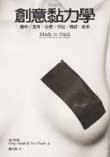
我們不黏人,我們的創意很黏人
| ||||
 講究創意至上的年代,「創意」成為人人必能談上幾句的事:時尚產業要創意、空間設計要創意、餐飲菜色要創意、政治選舉要創意……。「創意」是什麼?又該怎麼做? 好的創意。 |
2007年10月16日 星期二
2007年10月13日 星期六
杉本博司
HIROSHI SUGIMOTO
Joe: 2029, 2005-2006
59 x 47-1/2 inches (149.9 x 120.6 cm)
Ed. of 5

Opening reception for the artist: Saturday, September 9th, 6 - 8
pm
Gagosian Gallery is pleased to announce Hiroshi Sugimoto'sJoe.
"I photographed Joe employing the same approach as my architectural series. A finished building is a product of negotiation; I used an out-of-focus technique in an effort to regain a sense of the architect's core idealist vision for the building. But, as a sculptor Serra does not have to compromise like an architect; Joe is his idealized vision. Thus the sculpture is a representation of pure form for us both." (Hiroshi Sugimoto)
Hiroshi Sugimoto is best known for his highly stylized photographic series of seascapes, movie theaters,natural history dioramas, waxworks and Buddhist sculptures.These series provoke fundamental questions about the relationship of photography and time, as well as exploring the mysterious and ineffable nature of reality. Joe is a series of black and white photographs that Sugimoto made of Richard Serra's sculpture at the Pulitzer Foundation for the Arts in St. Louis.
In recent years, Sugimoto's work has become increasingly concrete at the same time as it has become notably more abstract. It has broken out of, or beyond, photographic illusion to touch the moment of an ideal space rendered in photography. In his Architecture series (1997-2002), rather than photographing key modernist buildings to elucidate their lines and volumes, Sugimoto blurred the image in an effort to capture not the buildings themselves but mental images of them. Similarly, using areas of soft light and dark, he has created fragmentary images of Richard Serra's sculpture Joe that function more like passages of visual memory than empirical recordings. Like a work of architecture, Serra's sculpture has to be experienced by walking around and through it. Permanently installed outdoors, it changes according to the time of day, the weather and the viewer's relation to it. Thus Sugimoto's photographs of Joe are parallel creations to the sculpture itself. Using a nineteenth century-style, large-format camera, Sugimoto varies the length of exposure according to his subject matter. Joe was made with short exposure. The blurring effect results from Sugimoto's unconventional use of the camera's infinity function, where he forces his camera to focus on an imaginary "twice-infinity" spot. Significantly, the hand-developed gelatin-silver photographs are mounted on aluminum panels but are otherwise unframed, unglazed and unlaminated to draw attention to what Sugimoto describes as the "transformation from the three-dimensional steel source sculpture to the thin layers of what I would call my 'silver sculpture'."
The exhibition is accompanied by a book published by the Pulitzer Foundation for the Arts earlier this year, which is a collaboration between the artist and novelist Jonathan Safran Foer.
Hiroshi Sugimoto was born in Tokyo in 1948. In 1970 he moved to Los Angeles and studied photography at the Art Center College of Design. He lives in New York and Tokyo. Sugimoto has exhibited extensively in major museum and galleries throughout the world, including the Metropolitan Museum of Art, New York, the Guggenheim Museum Bilbao and Deutsche Guggenheim, Berlin, the Kunsthaus Bregenz and the Serpentine Gallery, London. A major traveling survey of his work opened at the Mori Art Museum, Tokyo in 2005, moving on to the Hirshhorn Museum and Sculpture Garden, Washington, D.C. and the Fort Worth Art Museum in 2006. An xhibition of nineteen photographs in the Joe series continues at the Pulitzer Foundation for the Art, St. Louis until October 14, 2006.
For further information please contact the gallery.
2007年10月12日 星期五
山居生活的理想家
經歷過台中三個月生活,我開始在心中描繪移動性的日子......
在此之前先回台北,準備穩定經濟和為將來移動性的生活尋找技能和可能,同時我也發現自己對於大都市與東區、派對和過去的價值觀感到脫離。
剛好看到越來越多的山居生活,包括中秋節去謝英俊老師在伊達邵的據點,與邵族朋友的共度祭典(祖靈祭),隔天則freestyle地隨意在921重建的暨南國小(由姜樂靜建築師事務所設計),以及重建災區的手工屋,和部落的教堂裡面玩band、唱聖歌、打鼓、彈keyboard,還有打籃球。
非常自由地過了一個節日,舒服。
我們,能不能活在自由的建築裡面?建築被用來區分我們和自然,於是它被塑造成幾何的、理性的,來作為圍體,可是,開洞和打破它的圍塑成為現代的建築思考潮之一。美感固然重要,現代主義有它的理論根據,但是有機的呢?與環境對話是不是還有很多可能性尚未被挖掘?
今天,收到設計師朋友傳來他的業主的部落隔,把購屋、找到準建築人手扎以競圖方式來徵求設計一個理想家。
更多訊息:http://joejoehuang-house.blogspot.com
訂閱:
文章 (Atom)


